Free and safe Shipping
| Size | Museum Quality Artworks Hand-Painted with oil paint |
|---|---|
| 23.6 x 18 in 60x48 cm |
$ 648.00 Add to Cart |
| 32 x 25 in 80x64 cm |
$ 718.00 Add to Cart
|
| 40 x 31 in 100cm x 80 cm |
$ 1008.00 Add to Cart |
| 4 x 3.1 ft or 47 ¼ x 37 in 120cm x 96 cm |
$ 1292.00 Add to Cart |
| 5 x 3.9 ft or 59 x 47 in 150cm x 120 cm |
$ 1764.00 Add to Cart |
| 6.6 x 5.2 ft or 78 ¾ x 62 in 200cm x 160 cm |
$ 2688.00 Add to Cart |
| 8.16 x 6.6 ft or 98 ½ x 78 in 250cm x 200 cm |
$ 3500.00 Add to Cart |
| 9.8 x 7.9 ft 300cm x 240 cm |
$ 5040.00 Add to Cart |
| 13.12 x 10.5 ft 400cm x 320 cm |
$ 8960.00 Add to Cart |
| 16.4 x 13.1 ft 500cm x 400 cm |
$ 14000.00 - 20% off $ 11200.00 Add to Cart |
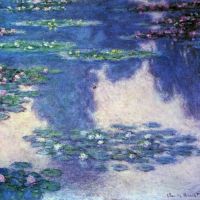
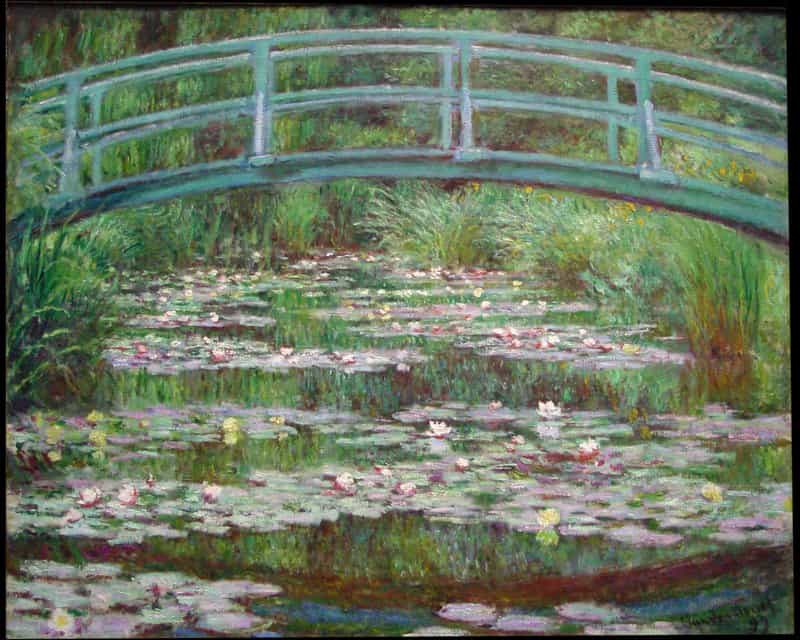
Museum-quality hand-painted artwork Claude Monet, The Water-Lily Pond aka Japanese Footbridge
Museum-quality replicas by Paolo: Exceptional product, accurate to the tiniest details, textures and values. Requires skills and time to process, but gives astonishing results. A true work of art for the real connoisseurs.
Buy Claude Monet, The Water-Lily Pond aka Japanese Footbridge museum quality
The Japanese Footbridge: Monet’s Zen Masterpiece at Giverny
Claude Monet’s The Water-Lily Pond (1899) is a definitive work of Late Impressionism. It features the iconic green wooden bridge that Monet designed himself, inspired by the Japanese prints he passionately collected. This painting is a study in harmony, reflecting a world where water, air, and vegetation merge into a single atmospheric experience.
Artistic Analysis & SEO Keywords
-
The Japanese Influence: The graceful curve of the bridge reflects Japonisme, a movement where Western artists incorporated Japanese compositional styles, such as the high horizon line and the focus on bridge-and-water motifs.
-
Vertical and Horizontal Balance: The horizontal rows of pink and white water lilies (nymphéas) contrast with the vertical reeds and weeping willow branches, creating a perfectly balanced structural grid within the nature scene.
-
En Plein Air Mastery: Monet painted this series outdoors, capturing the "envelope" of air and light. The cool greens and teals of the bridge harmonize with the reflections in the water, blurring the line between the object and its mirror image.
-
Impasto Technique: The water lilies are applied with thick, textured dabs of paint (impasto), making them pop against the smoother, more fluid strokes used for the water’s surface.
Historical Significance
In 1893, Monet bought an additional plot of land across the railway tracks from his house in Giverny to create his "Water Garden." This 1899 version is from his first series dedicated to the pond, painted while his eyesight was still sharp and his style was at its peak of detailed refinement.