Free and safe Shipping
| Size | Museum Quality Artworks Hand-Painted with oil paint |
|---|---|
| 23.6 x 19 in 60x50 cm |
$ 665.00 Add to Cart |
| 32 x 25 in 80x66 cm |
$ 739.00 Add to Cart
|
| 40 x 32 in 100cm x 83 cm |
$ 1047.00 Add to Cart |
| 4 x 3.2 ft or 47 ¼ x 38 in 120cm x 99 cm |
$ 1330.00 Add to Cart |
| 5 x 4.1 ft or 59 x 48 in 150cm x 124 cm |
$ 1824.00 Add to Cart |
| 6.6 x 5.4 ft or 78 ¾ x 64 in 200cm x 165 cm |
$ 2772.00 Add to Cart |
| 8.16 x 6.8 ft or 98 ½ x 81 in 250cm x 207 cm |
$ 3623.00 Add to Cart |
| 9.8 x 8.1 ft 300cm x 248 cm |
$ 5208.00 Add to Cart |
| 13.12 x 10.9 ft 400cm x 331 cm |
$ 9268.00 Add to Cart |
| 16.4 x 13.5 ft 500cm x 413 cm |
$ 14455.00 - 20% off $ 11564.00 Add to Cart |
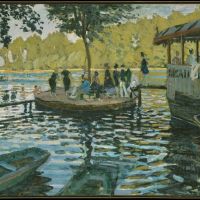
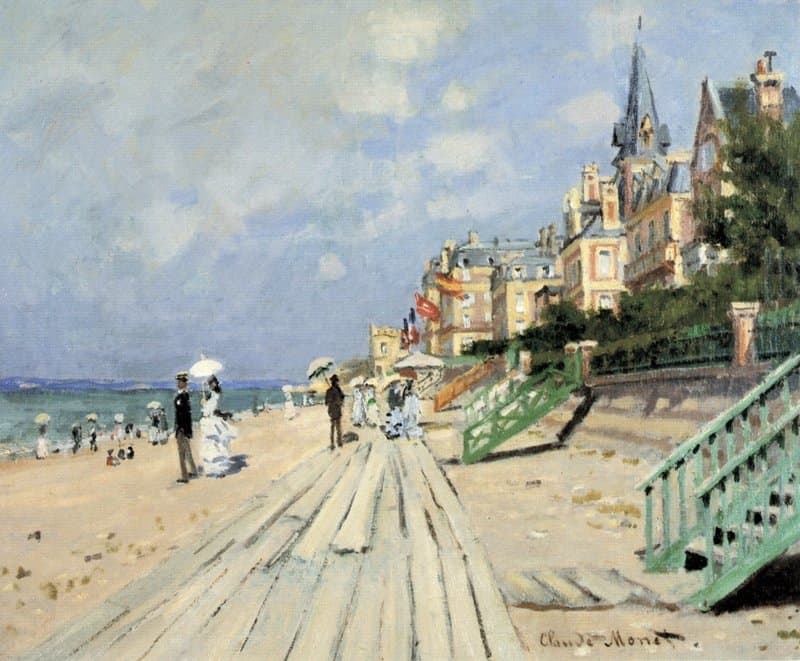
Museum-quality hand-painted artwork Claude Monet, The Boardwalk at Trouville (or Hôtel des Roches Noires, Trouville)
Museum-quality replicas by Paolo: Exceptional product, accurate to the tiniest details, textures and values. Requires skills and time to process, but gives astonishing results. A true work of art for the real connoisseurs.
Buy Claude Monet, The Boardwalk at Trouville (or Hôtel des Roches Noires, Trouville) museum quality
The Boardwalk at Trouville: Monet’s Vision of the French Riviera of the North
Claude Monet’s The Boardwalk at Trouville (1870) is a masterclass in perspective and atmosphere. This painting captures the high-society glamour of the Normandy coast, featuring the grand Hôtel des Roches Noires. In this work, Monet shifts his focus from intimate figures to the sweeping energy of the seaside resort, documenting the leisure of the 19th-century elite.
Key Visual Elements & Analysis
-
The Vanishing Point: Monet uses the diagonal line of the wooden boardwalk to create a dramatic sense of depth, leading the eye from the foreground figures toward the horizon.
-
Architectural Grandeur: The right side of the canvas is dominated by the ornate, sun-drenched facade of the hotel, painted with flickering light that suggests the movement of flags and curtains.
-
The "En Plein Air" Breeze: Notice the flags and the women’s dresses; Monet’s quick, wispy brushstrokes perfectly capture the coastal wind, making the scene feel alive and immediate.
-
Color Palette: A sophisticated mix of sandy ochres, pale sky blues, and the contrasting dark silhouettes of the strolling vacationers.
Historical Context
Trouville was the "place to be" for the Parisian upper class in the 1870s. Monet, working alongside his mentor Eugène Boudin, sought to capture modern life as it happened. This painting is a transition point for Monet, blending traditional landscape composition with the radical, light-focused techniques that would soon define Impressionism.
Fast Facts for Collectors
-
The Location: The Hôtel des Roches Noires still stands today in Trouville, though it has since been converted into apartments.
-
Artistic Movement: Early Impressionism (focusing on modern leisure and outdoor light).
-
Compositional Secret: Monet purposely left the left side of the painting (the sea) relatively open to balance the heavy, detailed architecture of the hotel on the right.
Why it's a Fan Favorite
This piece is popular for those who love nautical or coastal themes with a touch of vintage European elegance. It’s less about the "roughness" of nature and more about the harmony between the sea and high-society architecture.